 The Foundation for Partnership and Civil Society Development
The Unwavering Strength of the Civil Sector: Collaboration for a Better Community
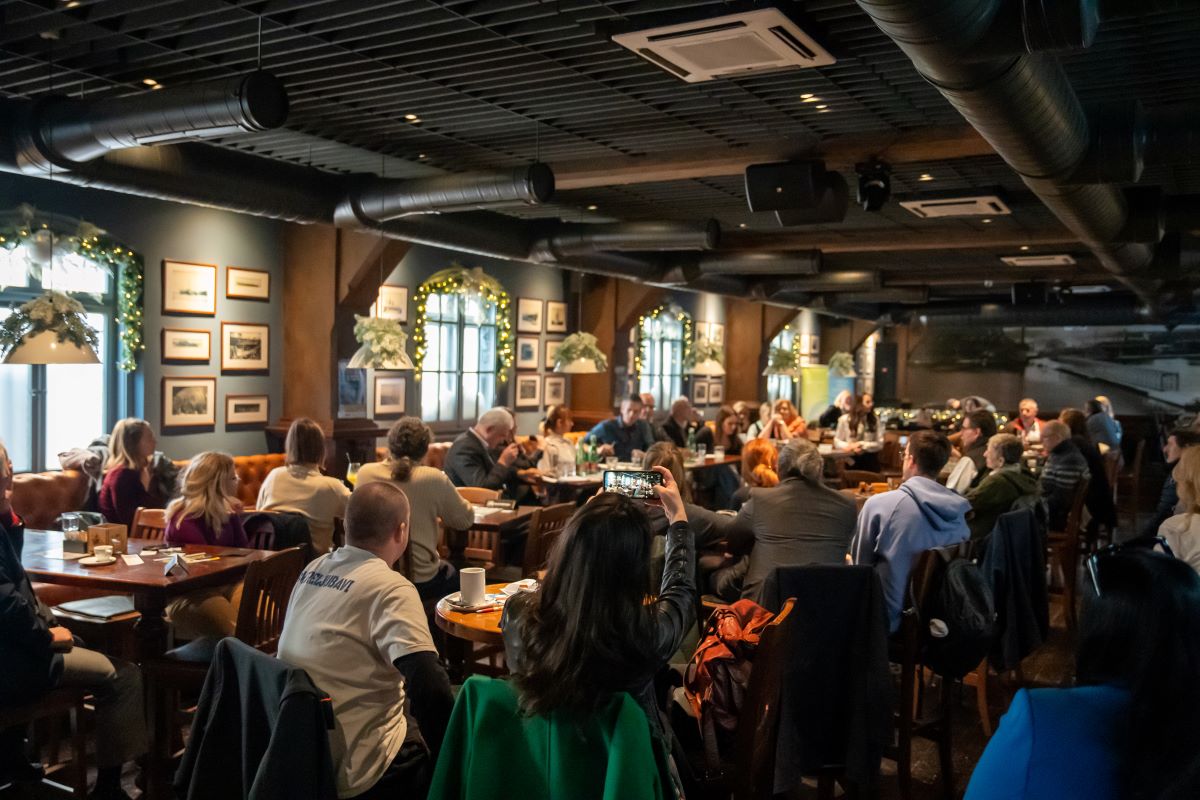
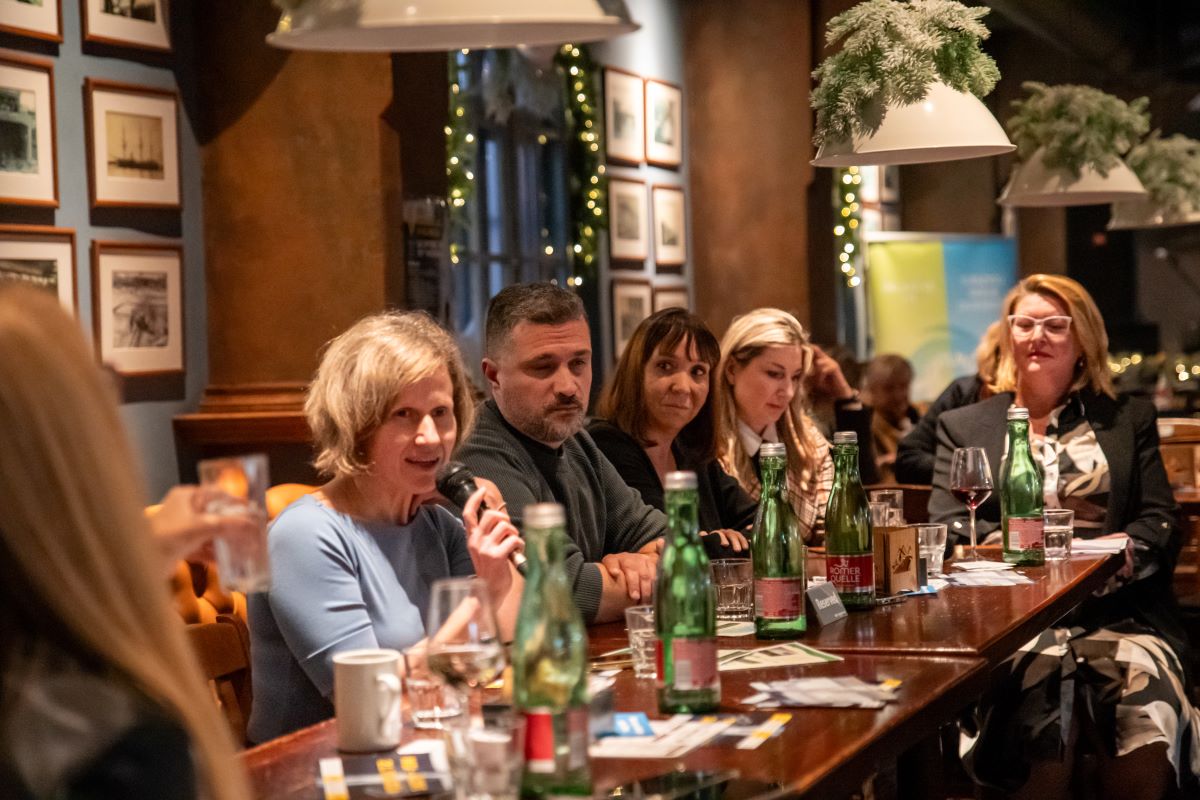
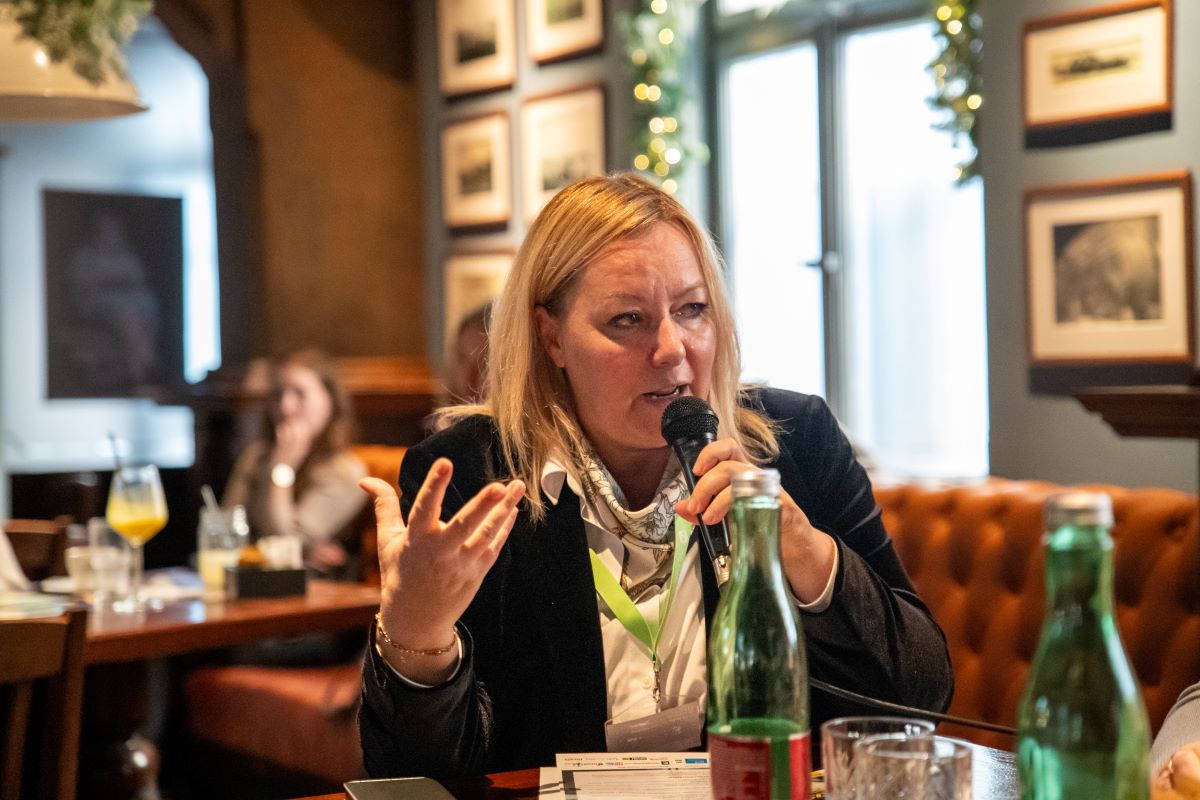

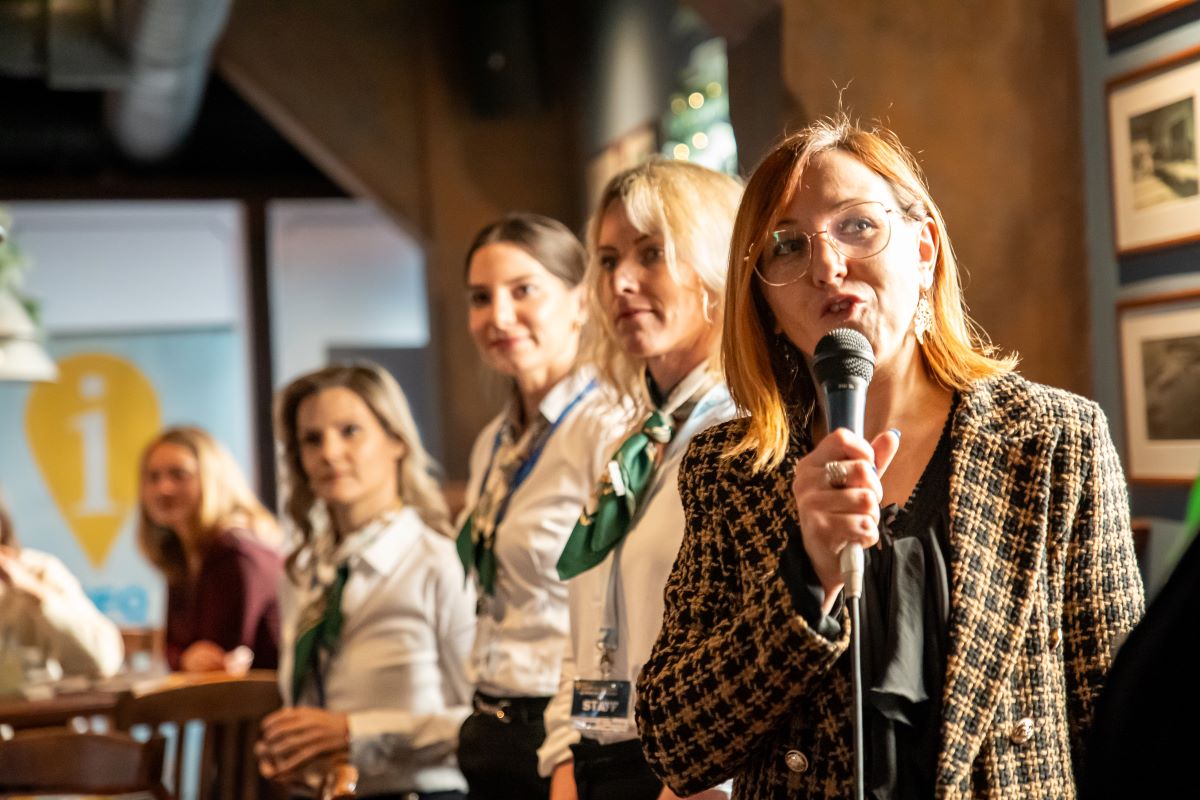

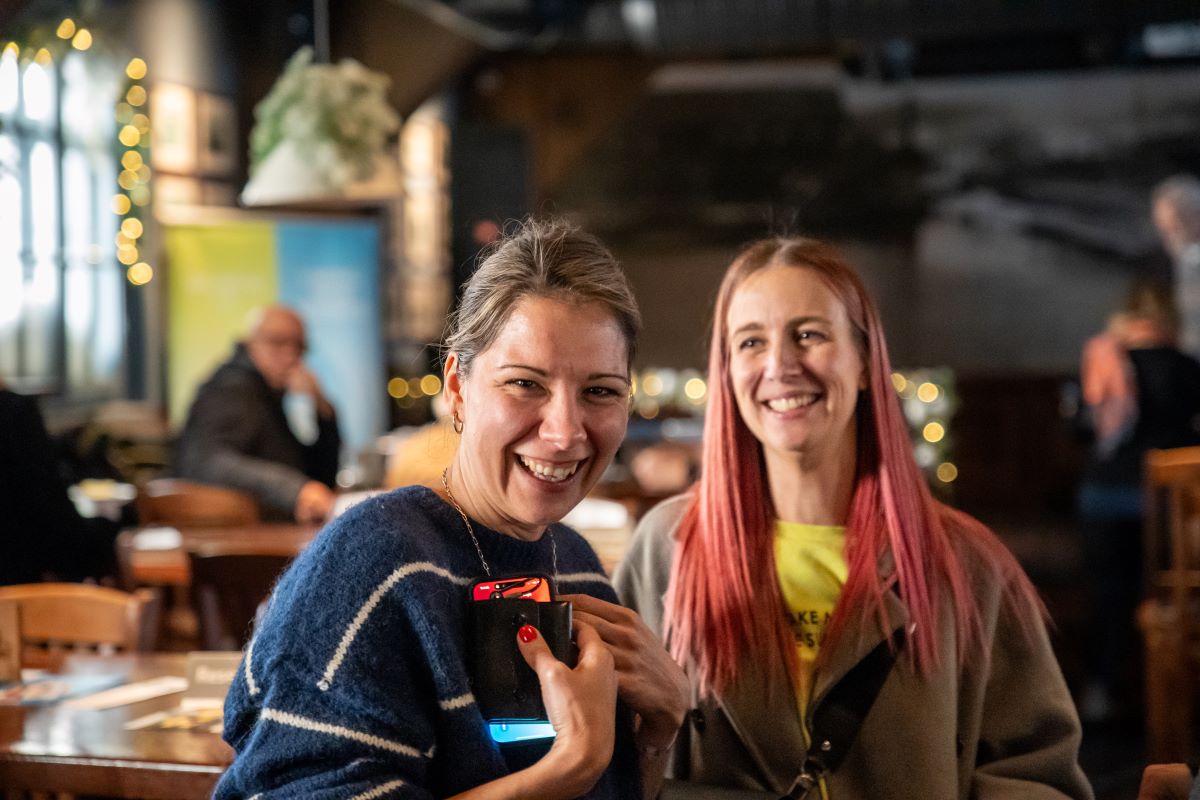
The Civil Sector, despite facing numerous challenges, remains a key driver of positive change. At the Foundation's conference "NGO – Challenges of the 21st Century," held on November 29 in the relaxed atmosphere of Shipyard Pub, participants shared their experiences and best practices. It was concluded that networking, perseverance, and innovative approaches not only help the sector overcome obstacles but also empower it to become a leading force for positive societal change.
"This conference truly achieved its goal – cross-sector networking, creating new contacts, and opportunities. Events like this should be held at least once a year, offering a chance to reflect on how collaboration can create a better place to live in our Istrian County. Networking, mutual understanding, and adaptation to modern trends have proven to be key in strengthening the sector as a driver of positive social change," emphasized Helga Možé, Director of the Foundation.
The Istra Foundation – Fondazione Istria invites all organizations to continue their collaboration and apply these methods to achieve significant changes in the community together.
Deputy Prefect Jessica Acquavita also demonstrated openness to listening to the needs of the civil sector, engaging in discussions with association representatives before the panels. "I recognize the immense importance of the civil sector and its contribution to the quality of life in our Istrian County. Associations, through their work, initiatives, and dedication, complement what institutions cannot achieve alone, building a community of solidarity, cooperation, and mutual understanding. Events like these are crucial for strengthening cooperation and dialogue between sectors, and I thank the Istra Foundation for organizing this incredibly valuable conference. I look forward to future meetings that will inspire and connect us in our shared mission of creating better living conditions in our region," stated Acquavita.
Civil society organizations often work under stressful and fragmented conditions, preventing them from focusing on their core goals, leading to long-term exhaustion. Administrative barriers, reduced funding, and threats to activists hinder advocacy work and contribute to employee burnout. Additionally, the public often does not perceive work in associations as a "real job," while employees actually work under insecure conditions and long hours, lacking adequate rights and support. These topics were the focus of the first panel, "NGO Crisis," highlighting the need to create a better working environment for civil society through the development of a national strategy and increased support for employees and organizations.
The second panel addressed global and local philanthropy. Local philanthropy not only gathers resources such as donations but also unites people to contribute to something meaningful, fostering a sense of community and belonging, ultimately adding a sense of purpose to our lives. "Every philanthropy, especially local philanthropy, must be highly transparent, as trust is crucial. Trust is a key component of a community's social capital. The higher the social capital, the better the quality of life in the community," concluded Helga Možé, Director of the Foundation.
The panel "Between Profit and Community" emphasized the importance of changing the approach to collaboration between associations and the business sector, focusing on building long-term and quality relationships that go beyond mere financial donations. Involving businesses in activities such as volunteering, joint projects, or educational events fosters deeper mutual understanding and trust.
This approach enables the creation of partnerships based on shared values, leading to increased community investments and sustainable civil society development. Simultaneously, the business sector gains a better understanding of the social impact of its investments and the significance of the civil sector for community and social projects, while associations strengthen ties that support their work on multiple levels.
During the panel "New Trends in Marketing – Better Opportunities for Associations," it was highlighted that modern marketing tools provide exceptional opportunities to increase the visibility and impact of civil society organizations. The key to success lies in utilizing digital platforms, a personalized approach, and storytelling that can inspire the community, emphasized panel moderator Irena Šker, Associate Professor at FET "Dr. Mijo Mirković."
"Beer with the Media" was the perfect conclusion to a successful conference, held in the same energetic and open spirit that characterized all the panels. It was particularly interesting to hear the perspectives of panelists who are active in the media while still engaged in the civil sector. The discussion confirmed that media in Istrian County follow the work of associations, but strengthening cooperation requires joint efforts. Associations can enhance collaboration by providing quality materials, such as engaging press releases, photos, and recorded statements. At the same time, it is important for media to recognize the challenges faced by associations, including the fact that people in associations are often not experts in press writing or marketing. On the other hand, the financial constraints and business challenges faced by media organizations cannot be ignored. A quality partnership involves mutual understanding and, where possible, budget allocations for publications, further strengthening the relationship between the sector and the media while contributing to better coverage and public recognition of association work.
Inspirational motivational speeches also played a key role, sparking thoughts on the future of association work, alongside a short but informative lecture on the use of artificial intelligence in the civil sector. This motivated attendees to proactively adopt new skills and explore AI's potential to enhance association work. The speeches underscored the importance of caring for individuals working in the civil sector, particularly in preventing burnout and ensuring personal time, while also highlighting the sector's unwavering strength, resilience, and dedication to the community, even in times of crisis.
The "NGO – Challenges of the 21st Century" conference reaffirmed the importance of strengthening cooperation within the civil sector, as well as with key stakeholders such as the business sector, media, and public sector. The panels emphasized that transparency, innovative approaches, and long-term trust-based relationships are essential for strengthening the sector and that the public sector must recognize the significance of civil society through improved public policies and strategic support.
The Istra Foundation – Fondazione Istria expresses sincere gratitude to all who supported the conference – those whose support was publicly acknowledged, as well as those who chose to remain anonymous. Thank you to Istrian County – Regione Istriana, the City of Pula – Pola, Shipyard Pub, Erste Bank, Nory Angel, and media portals: Vodnjanski Đir, Parentium.com, IstraIN, and radio stations: Radio Labin, Rovinj FM, Radio Istra, Radio Maestral, and Medulin FM.